
Get Global.
Get Global.
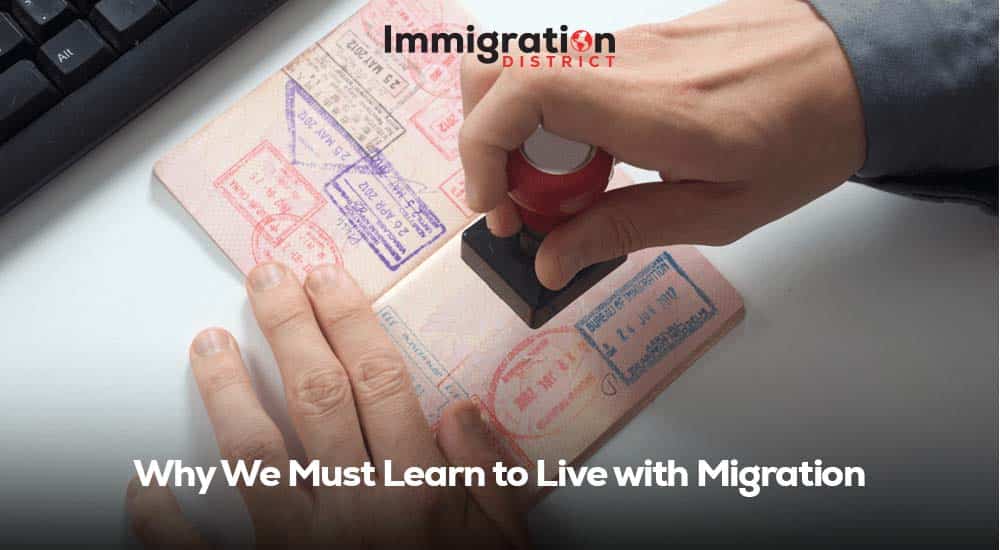
Naturally, moving across borders has become a common phenomenon. Migration, an act that is fueled by economic opportunities, political instability, and personal aspirations, a defining feature of the 21st century. These trends are some of the observable changing global trends. Obviously, one point becomes clear-the need to learn to live with migration rather than to resist it-to build on the challenges posted by these trends.
Migration is certainly not a new concept; it has ruled the human world since very beginning.. However, the scale and speed of migration have definitely become many times bigger now, with forces like globalisation, technological evolutions, and geopolitical turmoil working in their favour. From the Syrian refugee crisis to the migration of workers into the Gulf, the world has certainly seen an upward surge in the movements of people across borders.
The manpower challenges caused by migration often capture the better part of public discourse, which leadership should not also lose sight of. Migrants can contribute to the economic growth of the receiving countries, for example, by filling labour gaps, as well as acquiring new skills that are essential in the course of development. Also, cultural diversity that is often a result of migration could enrich societies through broadened perspectives and enhancement in cross-cultural understanding.
Migration must be made the new norm through a change in attitude and the establishment of policies that are holistic in nature and which deal with the migrant community and also the host community. International organisations, governments, and civil societies have to work together to make policies that will be all-encompassing, representing and advocating for the rights of migrants and their social welfare; simultaneously, they will be handling issues that afflict the native populations at the grassroots level.
What is needed is the successful integration of migrants into the host societies, that is, access to education, healthcare, opportunities for employment, and cultural exchange and mutual understanding. Only then will a sense of belonging and shared values be created within the communities for social cohesion and long-term stability.
Learning to live with migration is not only necessary but also a golden opportunity to build a more open, prosperous, and better world in which the movement of people would no longer attain a threatening character but be perceived as a lever for growth, innovation, and cross-border understanding. It’s time to change the story-to acknowledge that migration is indeed one of the constants of the human condition.