

Ukraine’s Three-Point Peace Proposal
During his meetings in Saudi Arabia, Zelenskyy presented an outline of the three key proposals that form the foundation of Ukraine’s current peace strategy:
- “Silence in the sky” – a cessation of aerial attacks
- “Silence at sea” – restrictions on military activities in maritime zones
- “Release of prisoners” – acceleration of prisoner exchange processes
The diplomatic landscape surrounding the Ukraine- Russia conflict took a significant turn this week with Ukrainian President Volodymyr Zelenskyy’s deliberate visit to Saudi Arabia. This high-profile diplomatic mission comes at a crucial moment in US- Ukraine relations and represents a calculated effort to navigate complex peace negotiations while securing continued international support. As tensions escalate on the ground, Zelenskyy’s deliberate Saudi visit reflects Ukraine’s increasingly sophisticated diplomatic approach to ending the three-year war.
A Strategic Saudi Stopover
Negotiations began betwixt President Zelenskyy and Crown Prince Mohammed bin Salman when the former arrived in Jeddah, Saudi Arabia, on March 10, 2025, for indispensable talks. The timing of this visit is particularly significant, occurring just before scheduled negotiations between Ukrainian and US officials aimed at advancing peace efforts and resolving recent diplomatic tensions. Saudi state television confirmed Zelenskyy’s arrival in the Red Sea port city, which served as the venue for the subsequent Ukraine- US brink. The choice of Saudi Arabia as the meeting location is no coincidence. Under Crown Prince Mohammed’s leadership, the kingdom has strategically positioned itself as a neutral ground for high-stakes negotiations in various global conflicts. Saudi Arabia’s balanced relationships with both Western powers and Russia through the OPEC+ oil alliance make it an ideal mediator for the Ukraine-Russia conflict. Also, its geopolitical significance in the global energy market has a greater influence.
All these three proposals represent a significant shift in Ukraine’s approach, potentially indicating a willingness to consider partial ceasefire arrangements. According to reports, Ukraine has accepted a US proposal for a 30-day ceasefire, with Zelenskyyy stating, “Ukraine accepts this proposal and considers it a positive step. We are ready to take this step. Now the U.S. must persuade Russia”.
Behind-the-Scenes Delegation Dynamics
Notably, while Zelenskyy engaged directly with Saudi leadership, he opted not to personally attend the subsequent talks with US officials on March 11. Instead, he expedited a high-level delegation, including his chief of staff Andriy Yermak, Foreign Minister Andriy Sybiha, and Defence Minister Rustem Umerov. This decision follows an equivocal February 28 meeting at the White House, where tensions between Zelenskyy and former US President Donald Trump reportedly led to the suspension of US military assistance to Ukraine.US Secretary of State Marco Rubio led the American delegation to Jeddah, accompanied by former Trump national security adviser Mike Waltz. Rubio emphasized the importance of clarifying Ukraine’s intentions toward a prospective peace agreement, noting that Ukraine must be willing “to undertake difficult measures,” similar to concessions expected from Russia.
Economic Dimensions of the Saudi Visit
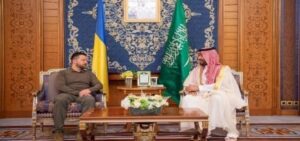
Beyond immediate peace negotiations, Zelenskyy’s Saudi strategy encompasses important fiscal issues.According to official statements, Ukraine is actively seeking Saudi investment in reconstruction efforts and closer collaboration in trade, economic development, and energy sectors.”Ukraine is interested in enhancing cooperation in trade, economic, and energy sectors, as well as attracting investments from Saudi Arabia and its participation in the country’s recovery,” noted a statement from the Ukrainian president’s office.This economic dimension underscores the multifaceted nature of Zelenskyy’s diplomatic approach, combining security considerations with long-term economic stability planning.
Repairing US-Ukraine Relations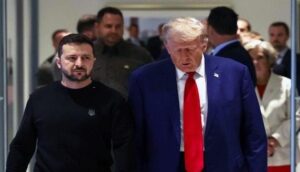
The Saudi talks come at a particularly precarious moment in US-Ukraine relations. US Special Envoy Steve Witkoff claimed that a letter was sent to Trump from Zelenskyy, who had to eat a humble pie for “that whole incident” during their February Oval Office meeting, describing it as “an important step” for the revival of collaboration. The US has reportedly resumed intelligence-sharing with Ukraine following these diplomatic efforts. These negotiations also focused on clinching a bilateral minerals agreement that would establish a joint fund for Ukrainian mineral sales – a deal Washington considers vital for ensuring continued US support.
The Path Forward
As these summit meetings continue, the world watches closely to see if they might lead to meaningful progress toward ending the conflict or not. Kremlin spokesperson Dmitry Peskov expressed skepticism, stating that what truly matters is “whether Zelenskyy’s administration genuinely seeks peace”.
For Zelenskyy, the Saudi strategy represents a delicate balancing act – evincing Ukraine’s commitment to peace while maintaining its core security requirements and ploughing alternative sources of international support. As the situation evolves, these Saudi-hosted talks may prove a pivotal turning point in this protracted conflict.